Category: Chinese Folklore

  • Jingwei Filling the Sea 精卫填海

    太阳神炎帝有一个小女儿,名叫女娃,她是炎帝最钟爱的女儿。炎帝不仅掌管太阳,还主管五谷和药材,事务繁忙。

    The Sun God Yan Di had a youngest daughter named Nüwa, whom he loved dearly. Yan Di not only ruled over the sun but also governed crops and medicinal herbs, and his duties kept him constantly busy.


    他每天清晨前往东海,太阳升起时出门,直到太阳西沉才回家。

    Every day at dawn, he went to the Eastern Sea, leaving when the sun rose and returning only after it set.
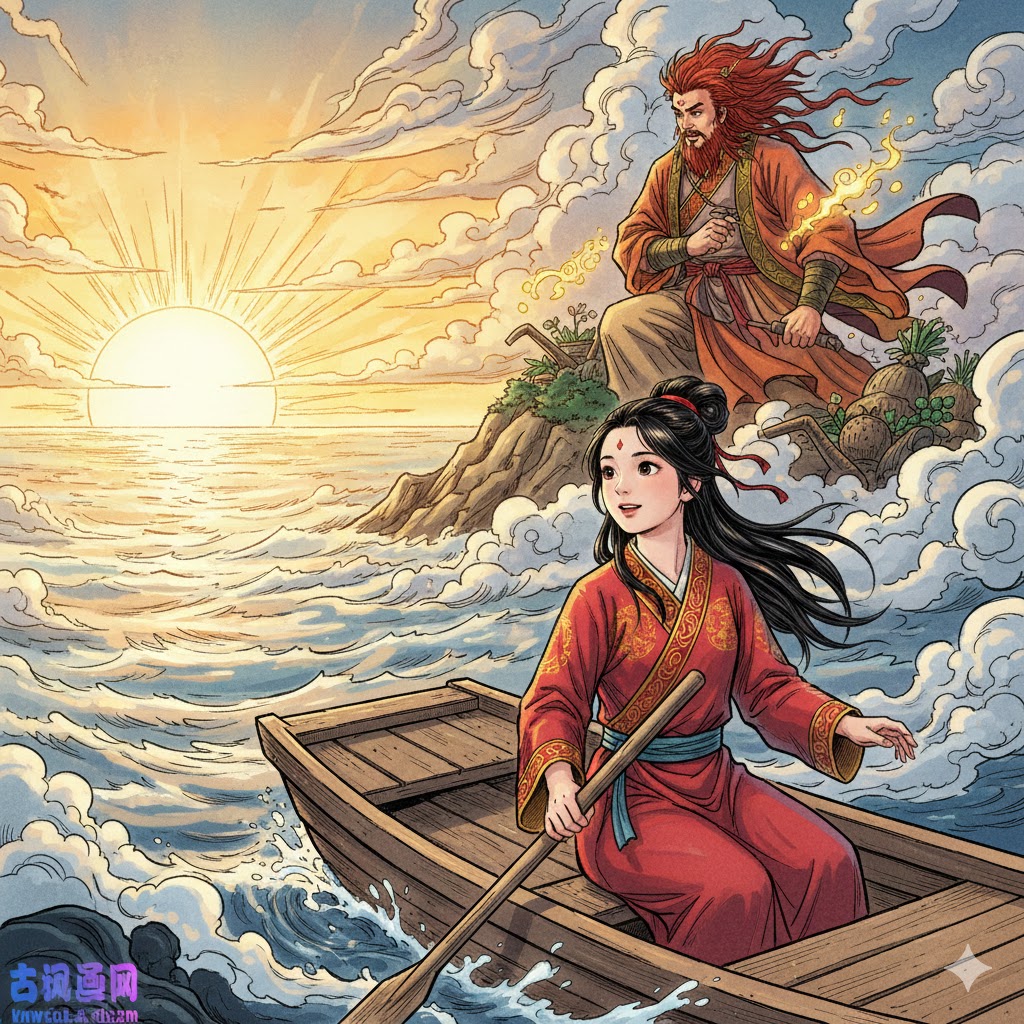

    炎帝不在家时,女娃便独自玩耍。她常常想让父亲带她去东海,看太阳升起的地方。

    When Yan Di was away, Nüwa played alone. She often wished her father would take her to the Eastern Sea to see where the sun rose.


    可父亲忙于公事,总是没有答应她。于是,女娃便独自驾着一只小船,向东海太阳升起的地方划去。

    But her father was always too busy to agree. So one day, Nüwa set out alone in a small boat toward the place in the Eastern Sea where the sun rose.


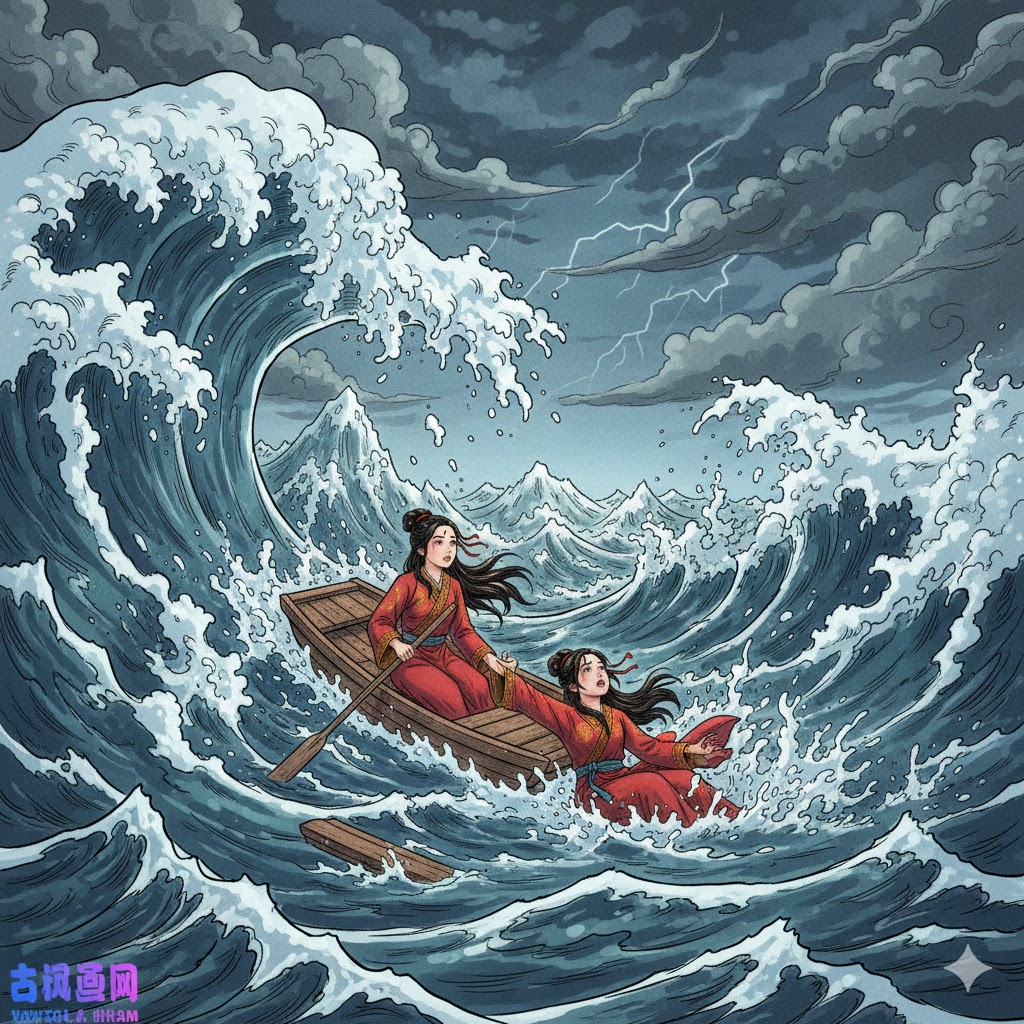
    不幸的是,海上忽然起了风暴,巨浪如山,小船被打翻,女娃被无情的大海吞没,再也没有回来。

    Unfortunately, a violent storm arose at sea. Towering waves like mountains overturned her boat, and the merciless ocean swallowed Nüwa, never to return.

    炎帝痛失爱女,却无法用医药使她复生,只能独自悲伤叹息。

    Yan Di was heartbroken by the loss of his beloved daughter, but even with his mastery of medicine, he could not bring her back to life and could only grieve alone.


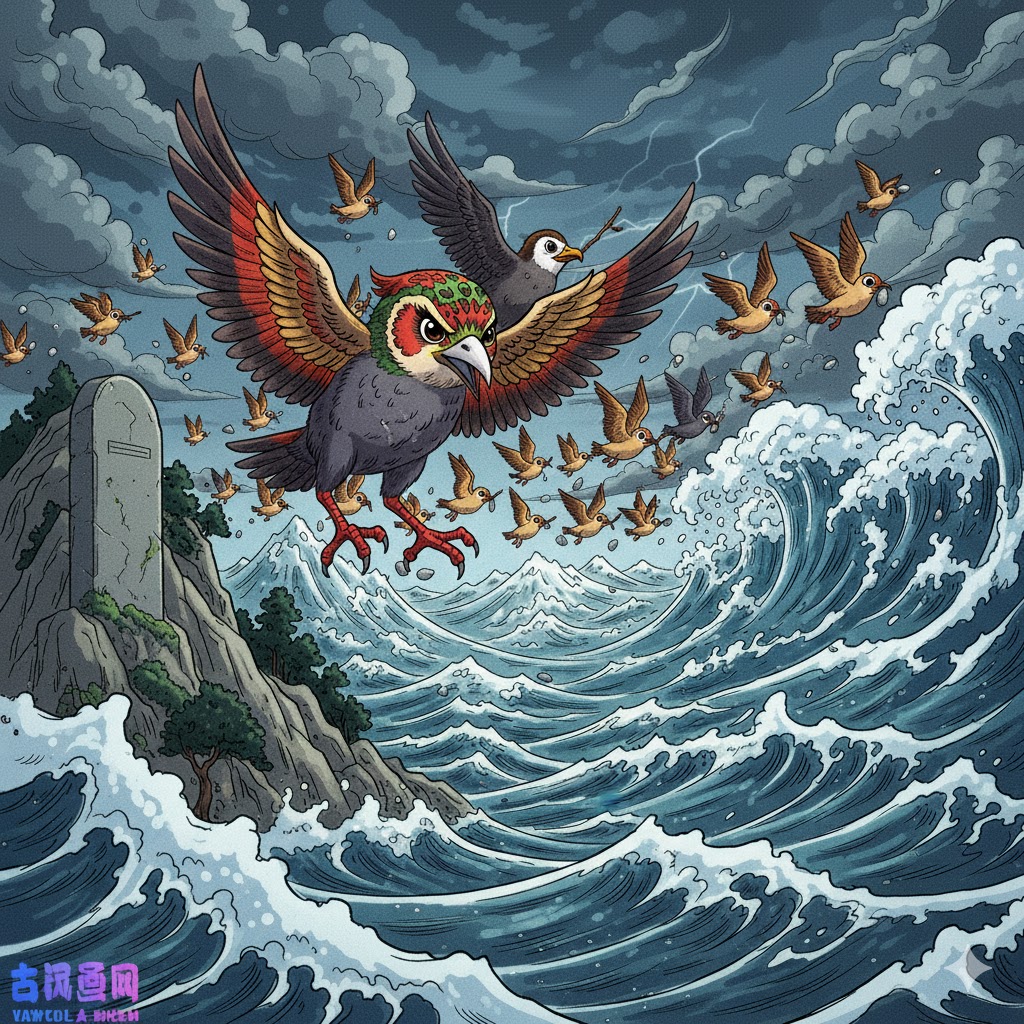
    女娃死后,她的精魂化作了一只小鸟,花脑袋,白嘴,红脚爪,常发出“精卫、精卫”的悲鸣。

    After her death, Nüwa’s spirit transformed into a small bird with a patterned head, a white beak, and red claws, crying out mournfully, “Jingwei, Jingwei.”


    因此,人们便称这种鸟为“精卫”。

    Thus, people came to call this bird “Jingwei.”


    精卫痛恨无情的大海夺去了自己年轻的生命,立誓要报仇雪恨。

    Jingwei deeply hated the merciless sea for taking her young life and vowed to take revenge.


    她不停地从发鸠山衔来小石子或树枝,高飞到东海,把它们投进汹涌的海水中,想把大海填平。

    She endlessly carried small stones or twigs from Mount Fajiu, flew high to the Eastern Sea, and dropped them into the surging waves, determined to fill the sea.


    大海翻涌咆哮,嘲笑她说:“小鸟,你就算干一百万年,也休想把我填平。”

    The sea roared and laughed at her, saying, “Little bird, even if you work for a million years, you will never fill me.”


    精卫在空中回答:“哪怕是一千万年、一万万年,直到世界的尽头,我也一定要把你填平!”

    Jingwei replied from the sky, “Even if it takes ten million years, a hundred million years, until the end of the world, I will fill you up!”


    大海问她:“你为什么这么恨我?”

    The sea asked, “Why do you hate me so much?”


    精卫回答:“因为你夺去了我年轻的生命,将来还会夺去无数无辜的生命。我要永不停息地干下去。”

    Jingwei answered, “Because you took my young life, and you will take many more innocent lives in the future. I will never stop.”


    精卫飞回发鸠山,衔石投海,年复一年,从不间断。

    Jingwei flew back to Mount Fajiu, carrying stones to the sea year after year, never ceasing.


    后来,精卫与海燕结为夫妻,生下许多小鸟。小精卫们也像母亲一样,继续填海。

    Later, Jingwei married a petrel, and they had many chicks. Like their mother, the young Jingwei birds also continued filling the sea.

    直到今天,她们仍在做着这项工作。人们同情并敬佩精卫,称她为“冤禽”“誓鸟”“志鸟”“帝女雀”。

    Even today, they are said to continue this task. People sympathize with and admire Jingwei, calling her “the Wronged Bird,” “the Oath Bird,” “the Bird of Will,” and “the Emperor’s Daughter Bird.”


    人们还在东海边立起石碑,纪念精卫填海的地方。

    People even erected a stone monument by the Eastern Sea to commemorate the place where Jingwei vowed to fill the ocean.
  • Ten Suns Rising Together 十日同出

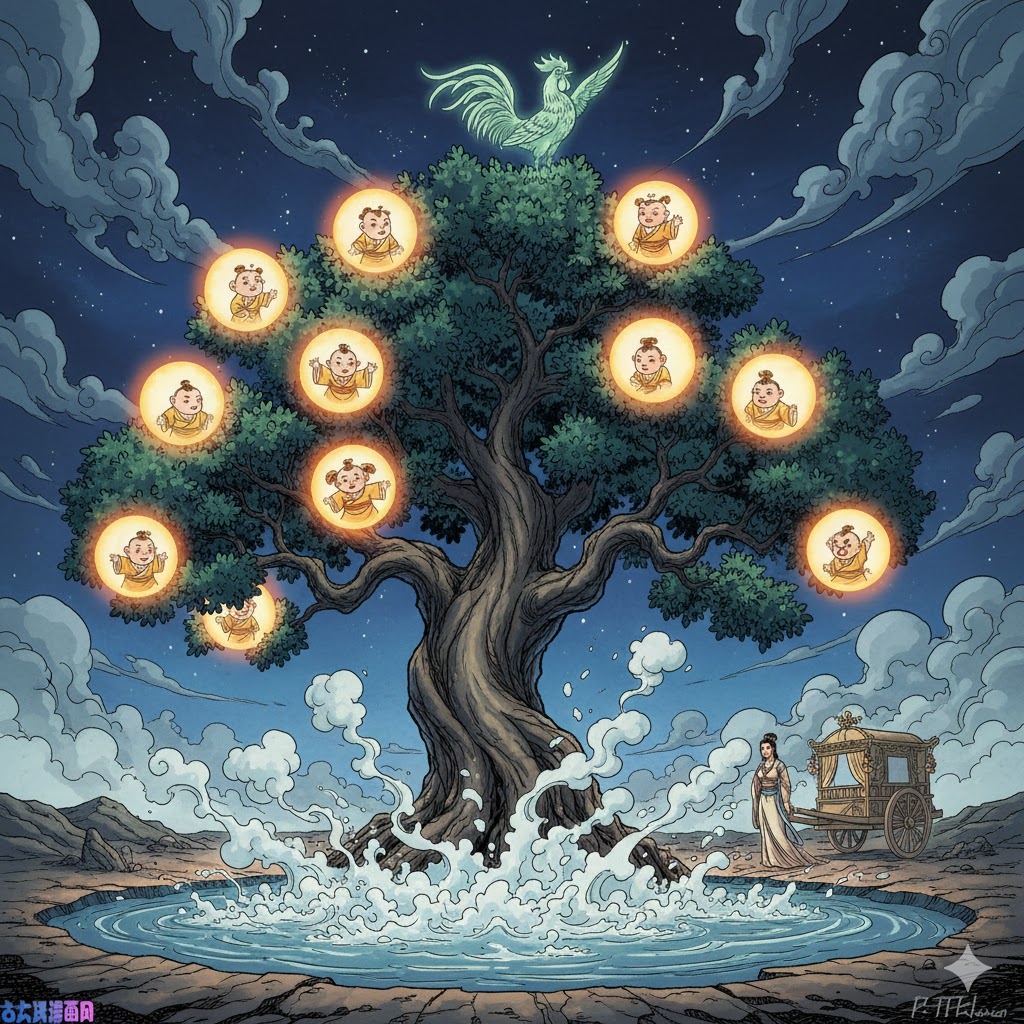
    在中国神话里面,天帝的名字叫”帝俊”,帝俊和他的妻子太阳神羲和生了十个太阳儿子,他们住在东方海外的汤谷。因为太阳儿子们经常在汤谷里洗澡,所以汤谷里的海水滚烫,像开水一样。

    In Chinese mythology, the Jade Emperor’s name is “Di Jun.” Di Jun and his wife, the sun goddess Xi He, had ten sons, all of whom were solar deities. They lived in the Tang Valley, located beyond the Eastern seas. Since the sons often bathed in the valley, the water there was scalding hot, like boiling water.

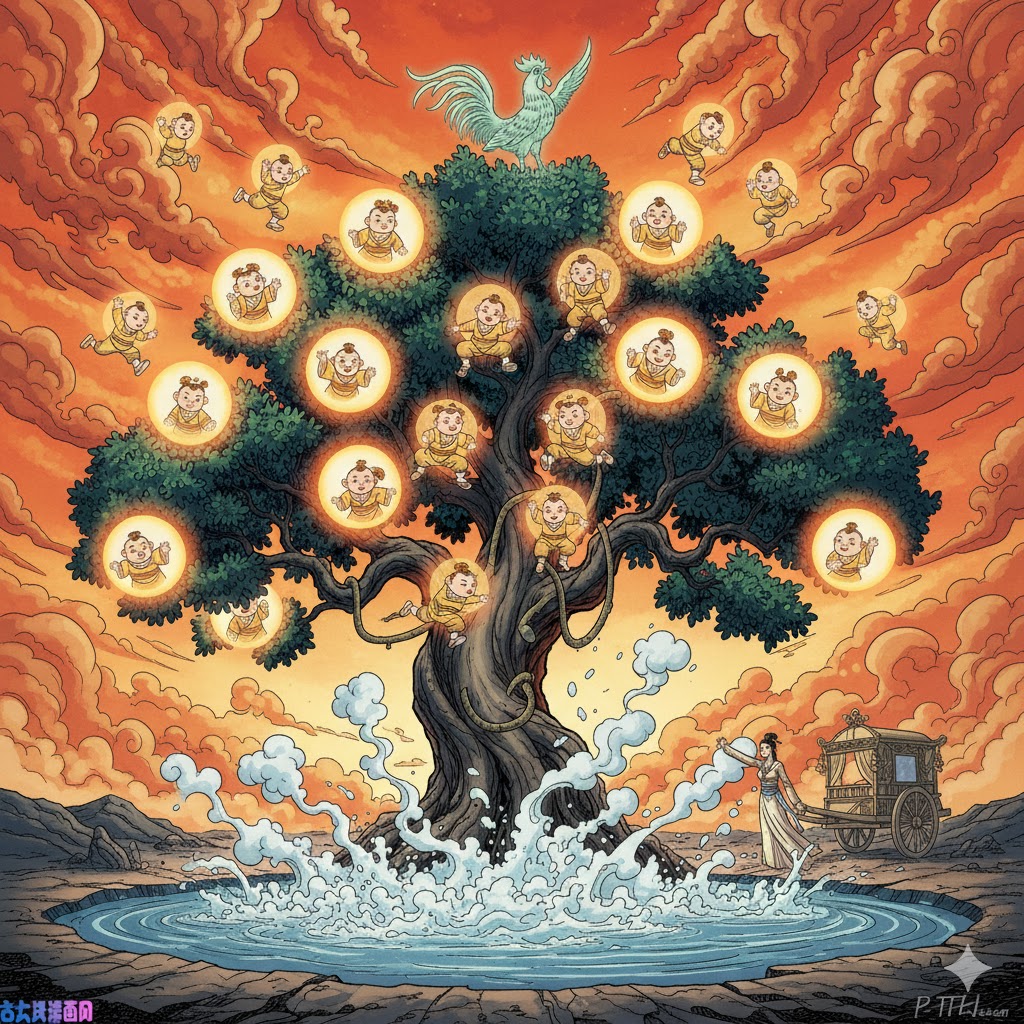
    汤谷中央长着一棵巨大的桑树,名为扶桑。扶桑树有几千丈高,是天帝十个太阳儿子的家。每个太阳儿子住在不同的枝条上,轮流在天空中值班。一个太阳值一天,另一个太阳则等待下班。

    In the center of the valley stood a giant mulberry tree, known as Fusang. The Fusang tree was several thousand zhang tall and served as the home of the ten solar sons. Each son lived on a different branch, taking turns to serve in the sky. One sun worked for a day while the other waited for their turn.

    每天黎明要到来时,人们听见公鸡叫声响起,然后就知道太阳要出来了。公鸡叫唤后,太阳儿子们就开始轮值,一天的工作开始了。

    Every dawn, people would hear the rooster crowing, signaling that the sun would rise. After the rooster crowed, the solar sons began their shifts, and the day’s work began.

    扶桑树的树顶上,终年站着一只玉鸡。当黑夜过去,黎明将到时,玉鸡就会张开翅膀叫唤,叫一个太阳儿子起床上班。

    At the top of the Fusang tree, there stood a jade rooster year-round. When the night passed and dawn approached, the jade rooster would spread its wings and crow, waking one of the solar sons to begin their shift.

    然而,随着时间的推移,太阳儿子们觉得每天只有一个太阳值班太无聊。他们觉得在天空中孤单,虽然有妈妈在远处看着,但仍然感到寂寞。

    However, over time, the solar sons found it boring to have only one sun working each day. They felt lonely in the sky, even though their mother watched over them from a distance.

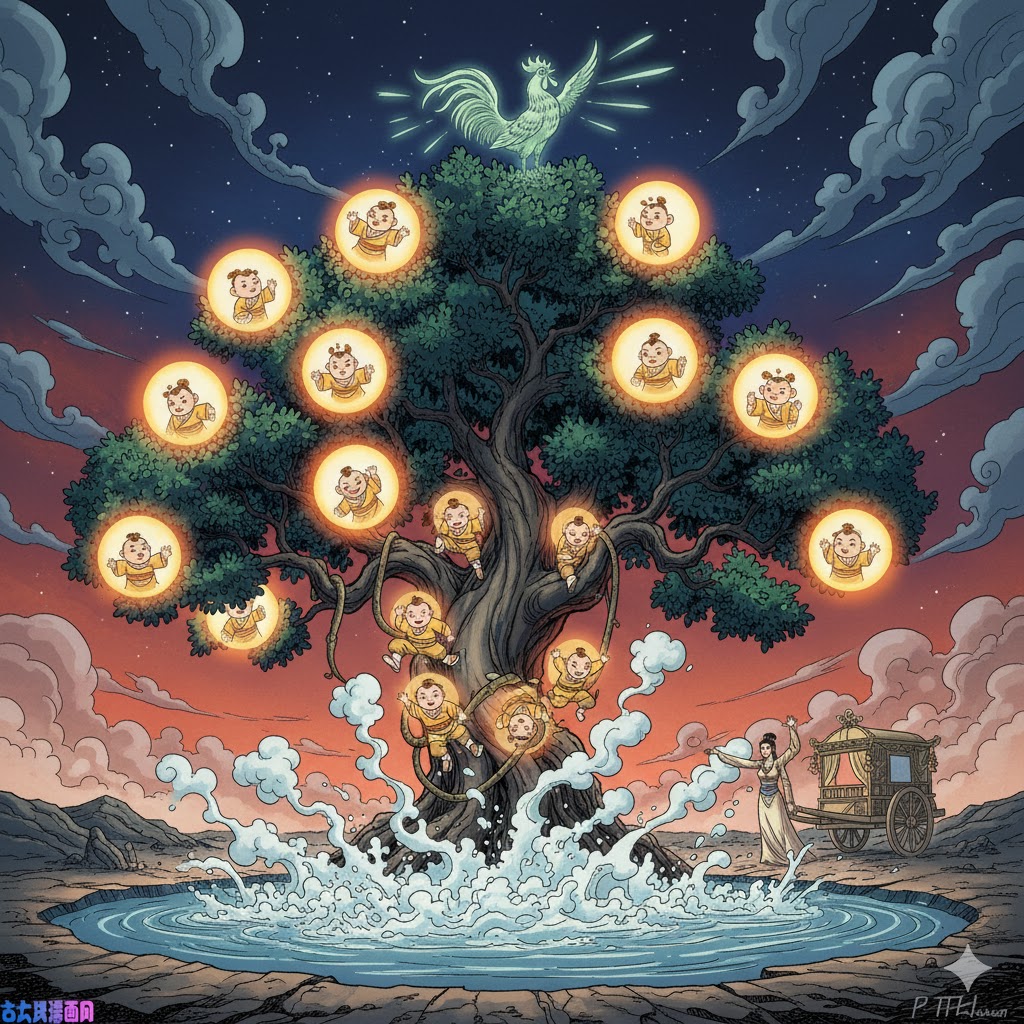
    有一天晚上,他们聚在扶桑树的枝头讨论怎么解决这个无聊的问题,最终决定所有太阳儿子一起值班。

    One night, they gathered on the branches of the Fusang tree and discussed how to solve the problem of boredom. They finally decided that all ten suns would work together.

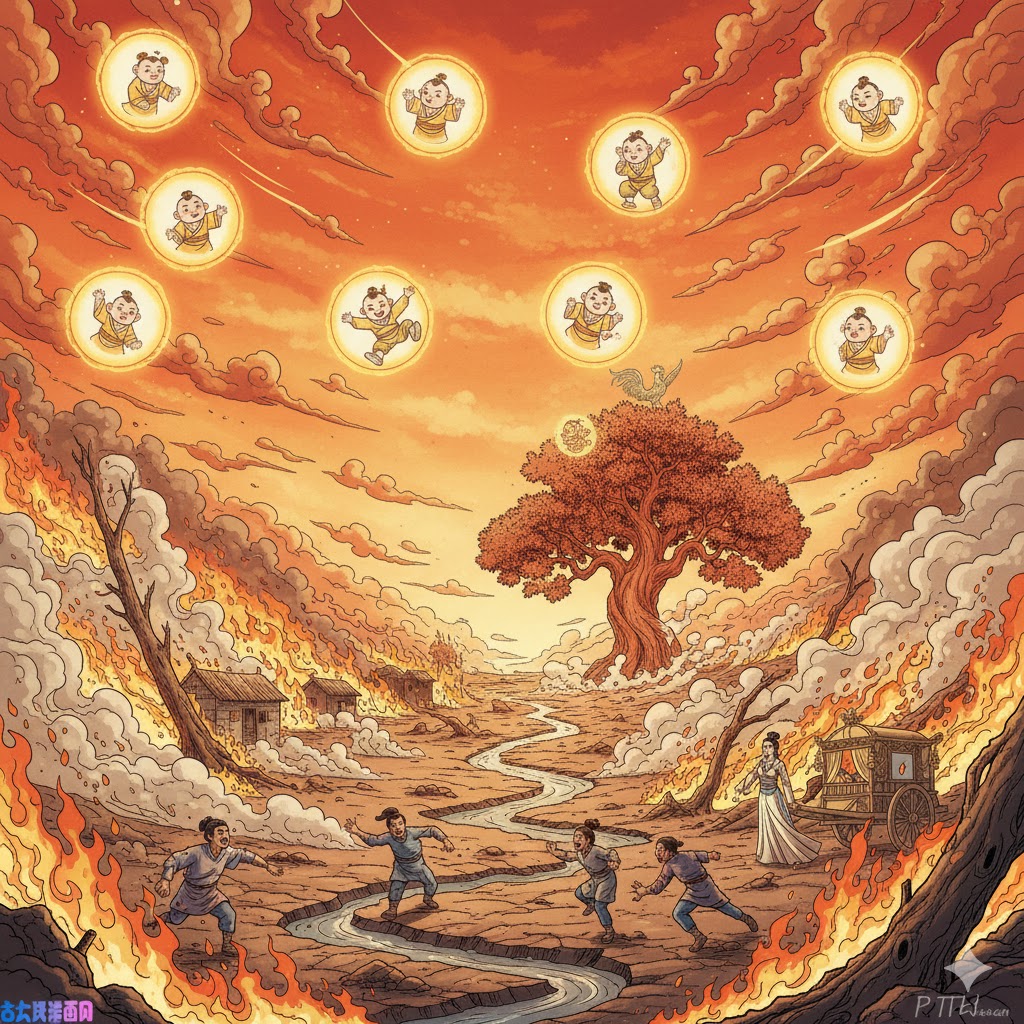
    第二天早晨,玉鸡一叫,十个太阳一起跑出来,谁也不去坐妈妈驾的车子。他们在天空中跑着、跳着、叫着,妈妈急得在车上大喊,但他们不听。

    The next morning, when the jade rooster crowed, all ten suns ran out together, ignoring the car that their mother usually drove. They ran, jumped, and shouted in the sky, while their mother shouted in panic from her car, but they did not listen.

    他们决定以后每天都一起值班,不再分开。这种闹腾的局面让他们觉得更好玩,也不再觉得寂寞。

    They decided to work together every day from then on, no longer separating. This chaotic situation made them feel more entertained and no longer lonely.

  • The Five Sacred Mountains of Guixu 归墟五神山

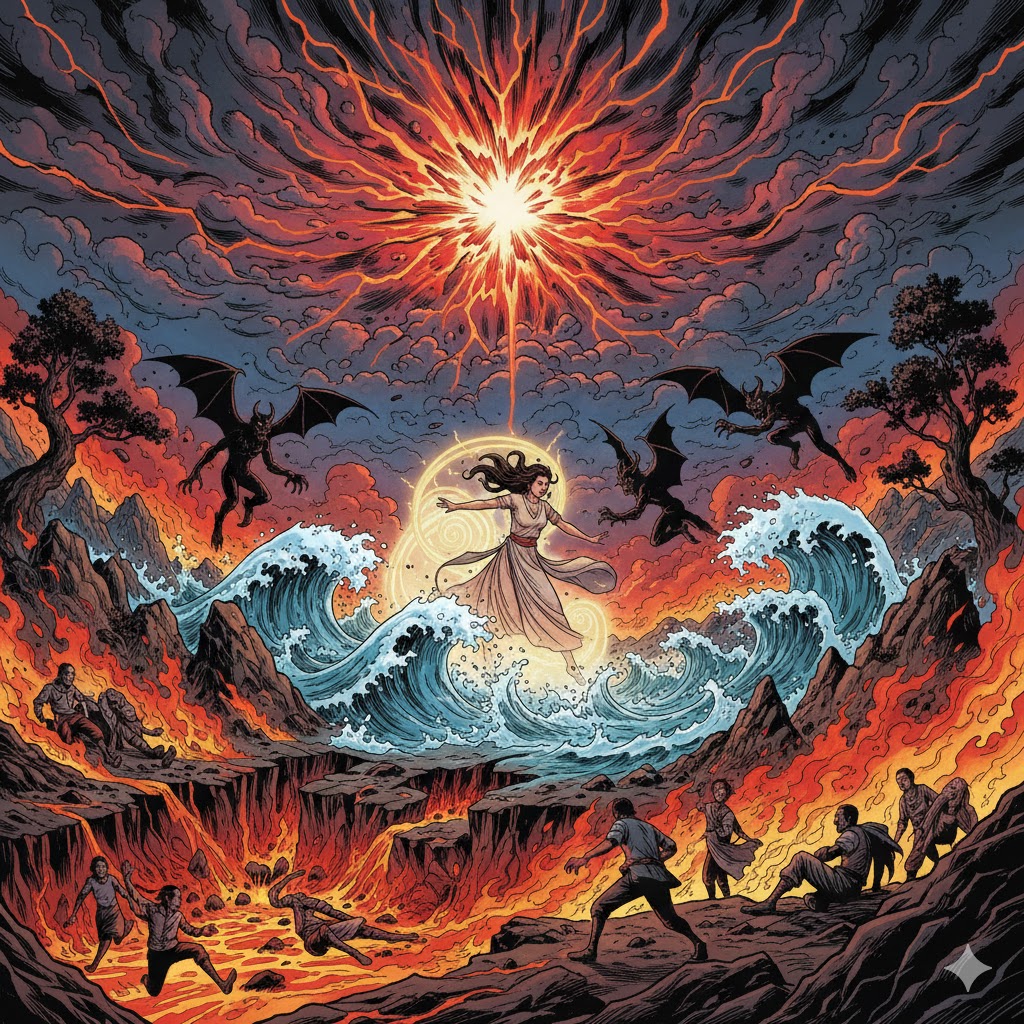
    人类的始祖女娲造人之后,天地间一向太平无事。忽然有一天,天地大冲撞。天上崩开一条巨大的裂口;地面也爆裂塌陷,烈焰从地心迸发,焚毁了森林;洪水从渊底喷涌,冲走了山岭。妖魔鬼怪、恶禽猛兽趁机肆虐,人类陷于水深火热之中。

    After the creation of humanity by Nuwa, there was peace in the world. Suddenly, one day, a great collision occurred between heaven and earth. The sky split open with a massive rift, and the ground cracked and sank. Flames erupted from the earth’s core, burning the forests, while floods surged from the depths of the abyss, sweeping away mountains. Monsters, demons, and wild beasts took advantage of the chaos, and humans were caught in great suffering.

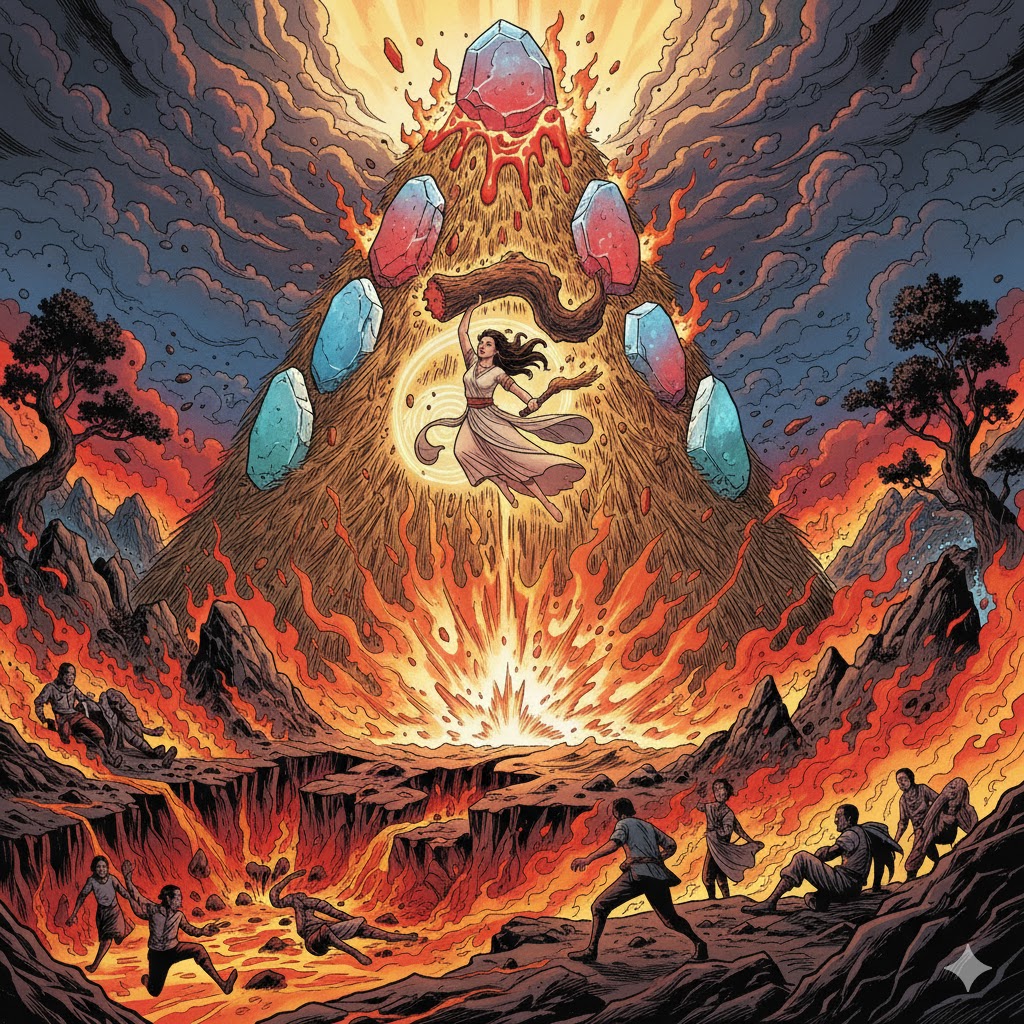
    女娲听到人类的求助声,她先杀死妖魔鬼怪,再平息水患,接着进行伟大的天工程。女娲到各个地方收集芦柴,搬运到天的裂口处,不久,芦柴便堆得与天一样高了。接着,她又去地上寻找与天一样颜色的青石,放在柴堆上面。

    Upon hearing the cries of humans, Nuwa first killed the demons and monsters, then quelled the floods, and began the great task of repairing the heavens. She gathered reeds from various places and transported them to the rift in the sky. Soon, the reeds were piled high, reaching the height of the heavens. Next, she searched for stones that matched the color of the sky and placed them on top of the reed pile.

    趁从地心迸发的大火还没有完全熄灭,她用一棵大树点燃芦柴,火焰忽地蹿起,照亮了整个宇宙,五色石都被烧得通红。慢慢地,熔化的石块像糖浆一样流淌,填补了天的裂缝。当芦柴快烧完时,天上的裂口被修补好了。

    As the flames erupting from the earth’s core had not fully died down, she used a great tree to ignite the reeds. The flames suddenly shot up, illuminating the entire universe, and the five-colored stones turned bright red. Gradually, the molten stones flowed like syrup, filling the rift in the sky. When the reeds were nearly burnt out, the rift in the heavens was repaired.

    虽然天地被女娲修补好了,但天地的形态无法恢复到原来的样子。西北方向的天空略微倾斜,太阳、月亮自觉地向东南方向倾斜,东南方向的土地则陷下去了一个深坑。大量的水积聚在那里,形成了海洋。

    Although the heavens and earth were repaired by Nuwa, their original form could not be restored. The sky in the northwest tilted slightly, causing the sun and moon to naturally move towards the southeast. The land in the southeast sank into a deep pit, and a large amount of water gathered there, forming the oceans.

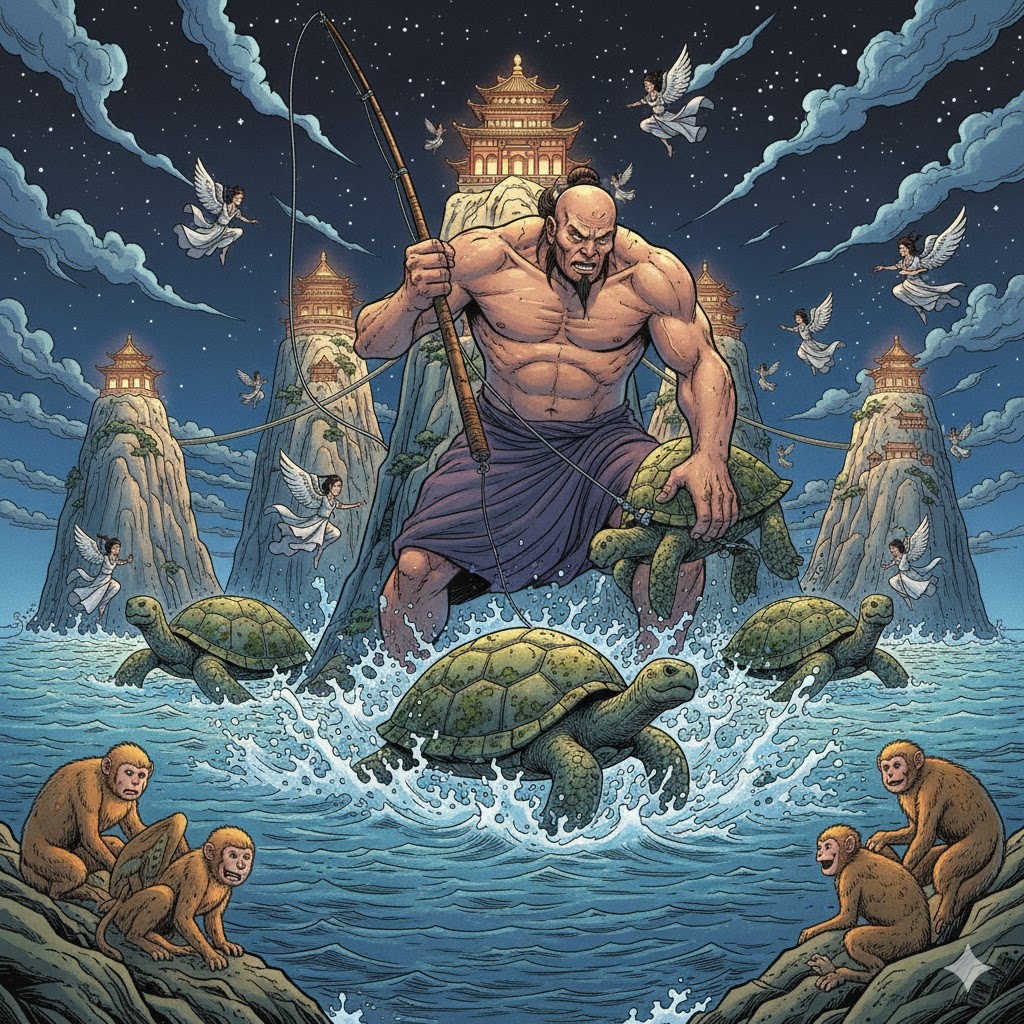
    归墟里面有五座神山,分别是“岱舆”“员峤”“方壶”“瀛洲”“蓬莱”。每座神山都高三万里,山与山之间相距七万里。山上有大量的宫殿,许多神仙住在这里。神山上的飞禽走兽都是白色的,山上还有许多奇特的树,这些树结的果实,味道非常好,凡人吃了可以长生不老。

    Inside the Guixu, there are five sacred mountains: “Daiyu,” “Yuankao,” “Fanghu,” “Yingzhou,” and “Penglai.” Each mountain is 30,000 miles high, and the distance between each mountain is 70,000 miles. The mountains are filled with numerous palaces, and many immortals reside there. The flying creatures and beasts on these sacred mountains are all white, and there are many peculiar trees that bear fruit. The fruits taste incredibly delicious, and any mortal who eats them will gain immortality.

    神仙们穿着洁白的衣服,背上长有小小的翅膀。平时,这些神仙在大海上、碧空下,像鸟一样自由地飞翔,往返于五座神山之间。神仙们的生活快乐而幸福。

    The immortals wear pure white garments and have small wings on their backs. Usually, these immortals fly freely in the sea and the clear sky, traveling between the five sacred mountains. Their lives are joyful and content.

    然而,在这快乐的生活中,也有一件让他们烦恼的事情。原来这五座神山都是漂浮在大海上,下面没有生根,一遇到大风就会漂移不定。于是他们派代表向天帝诉苦,天帝于是命令海神派出十五只大乌龟,把五座神山驮起来。

    However, amidst their joyful lives, there was one issue that troubled them. The five sacred mountains were floating on the sea without any roots beneath them, causing them to drift whenever there was a strong wind. They sent a representative to complain to the Jade Emperor, who then ordered the Sea God to send fifteen great tortoises to carry the five sacred mountains.

    每座神山由一只大乌龟驮着,再由两只猴子在旁边守候,轮换六万年一次。这样一来,神山稳定了,住在山上的神仙们都欢天喜地。

    Each sacred mountain was carried by a great tortoise, with two monkeys guarding nearby. They would rotate every 60,000 years. As a result, the mountains became stable, and the immortals living on them were overjoyed.

    不料有一年,巨人国的一个巨人来到归墟。他的身子像神山一样高大,举起钓竿接二连三地从海底钓上了六只大乌龟。巨人不管三七二十一,背着乌龟便回家了。

    Unexpectedly, one year, a giant from the land of giants arrived at Guixu. His body was as tall as the sacred mountains, and he lifted a fishing rod, pulling up six great tortoises from the sea one after another. Without a second thought, the giant carried the tortoises on his back and went home.

    失去乌龟的神山被风吹走,岱舆和员峤两座神山沉到海里,住在这两座神山上的神仙们慌慌张张地搬家,带着东西在天空中飞来飞去,累得满头大汗。

    The sacred mountains, now without the tortoises, were blown away by the wind. The Daiyu and Yuankao mountains sank into the sea, and the immortals living on these two mountains hastily packed their belongings and flew frantically in the sky, exhausted and drenched in sweat.

    天帝知道了这件事情,大发雷霆,把巨人国的人身体缩短,以免他们再出去惹事。剩下的三座神山因为有大乌龟驮着,一直没有出事,至今还矗立在中国的东部沿海。

    Upon learning of this, the Jade Emperor was enraged and shortened the bodies of the giants from the land of giants to prevent them from causing any more trouble. The remaining three sacred mountains, carried by the great tortoises, have remained safe and still stand along the eastern coast of China to this day.