Author: admin

  • The Story of Xing Tian 刑天的故事

    蚩尤死后,南方的一个天神不服黄帝,他手拿盾牌和大斧,去挑战黄帝,这个天神名叫刑天。

    After Chi You’s death, a god from the southern regions refused to submit to the Yellow Emperor. He wielded a shield and a great axe and went to challenge the Yellow Emperor. This god was named Xing Tian.


    刑天力大无比,非常厉害,他一路杀退重重天兵天将,一直杀到黄帝的中央天庭。

    Xing Tian was immensely powerful and fierce. He fought off countless heavenly soldiers and generals, making his way all the way to the central heavenly court of the Yellow Emperor.

    黄帝出来了,他对刑天说:“刑天,你为什么不能做个温和的神,而非要当个可怕的战神呢?”

    The Yellow Emperor stepped forward and said to Xing Tian, “Xing Tian, why can’t you be a gentle god, instead of a terrifying war god?”


    刑天理直气壮地说:“每个神都应该有自己的自由,做自己的王者,为什么你一定要所有的神都听你的话,替你办事呢?”

    Xing Tian, with great confidence, replied, “Every god should have the freedom to be their own ruler. Why must all the gods listen to you and serve you?”


    黄帝微笑着说:“世界应该有个统治者,这样其他的神和人才不会互相残杀,才能让世界更加和谐。”

    The Yellow Emperor smiled and said, “The world needs a ruler so that the gods and mortals do not destroy each other. Only then can the world be peaceful and harmonious.”


    “胡说!这都是你的借口!没有谁愿意任人摆布!黄帝,我要挑战你!”刑天愤怒地说道。

    “Bullshit! These are just excuses! No one wants to be manipulated! Yellow Emperor, I challenge you!” Xing Tian shouted angrily.


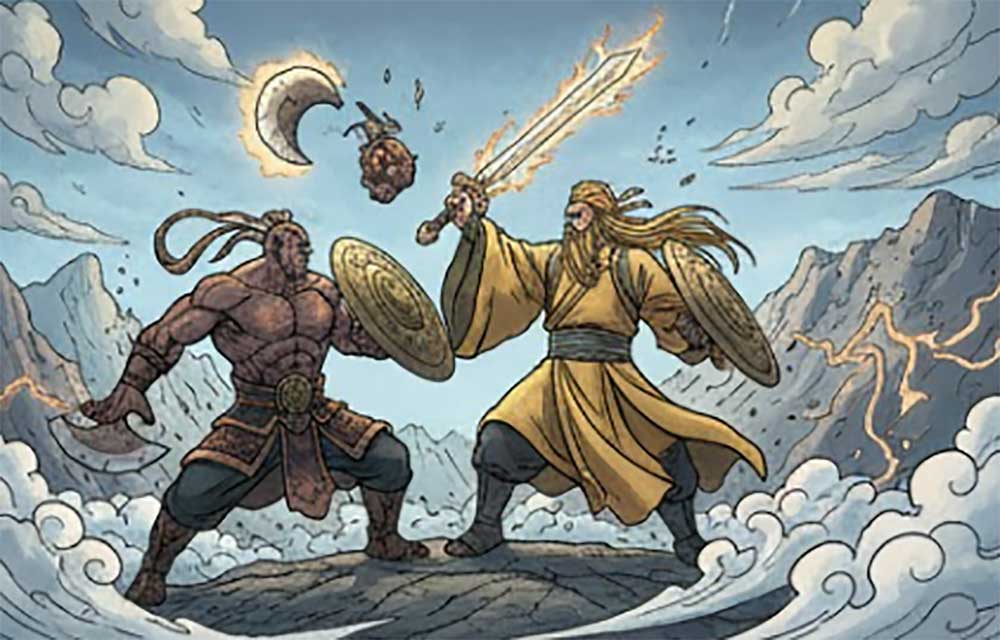
    黄帝见刑天如此固执,便挥剑与刑天打了起来。

    Seeing how stubborn Xing Tian was, the Yellow Emperor drew his sword and began to fight him.

    他们打呀打,从云端打到平地,又从平地打到山巅。

    They fought fiercely, from the clouds to the ground, then from the ground to the mountaintop.


    刑天确实很厉害,但黄帝毕竟久经沙场,而且还有神女传授给他的兵法。

    Xing Tian was indeed powerful, but the Yellow Emperor had vast experience in battle, and he also possessed military tactics taught by the divine maidens.


    黄帝看准一个机会,一剑朝着刑天的脖子砍了下去,刑天的头滚了下来。

    The Yellow Emperor seized an opportunity and, with one swing of his sword, struck at Xing Tian’s neck. Xing Tian’s head rolled off and fell to the ground.


    刑天发出低沉的吼声,蹲下身子,在地上摸索寻找自己的头。

    Xing Tian let out a deep growl, crouched down, and began to search the ground for his head.


    黄帝再次挥剑,将山劈开,刑天的头被找到并埋入山中。

    The Yellow Emperor swung his sword again, splitting the mountain open, and Xing Tian’s head was found and buried deep within it.

    听到这些声音,刑天停止了摸索。他知道自己的头永远也找不到了。

    Hearing these sounds, Xing Tian stopped searching. He realized that his head would never be found again.


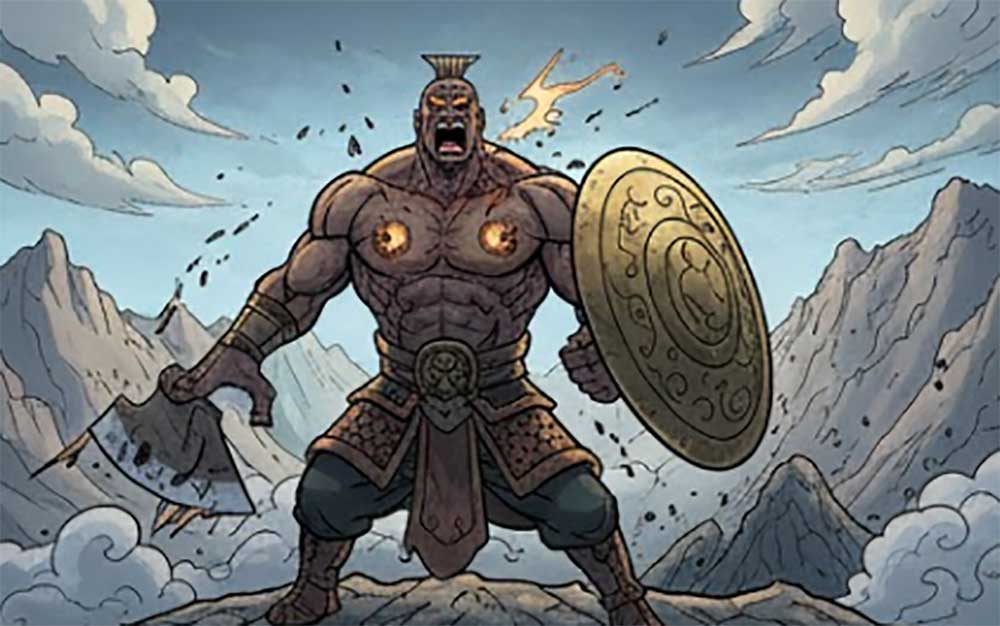
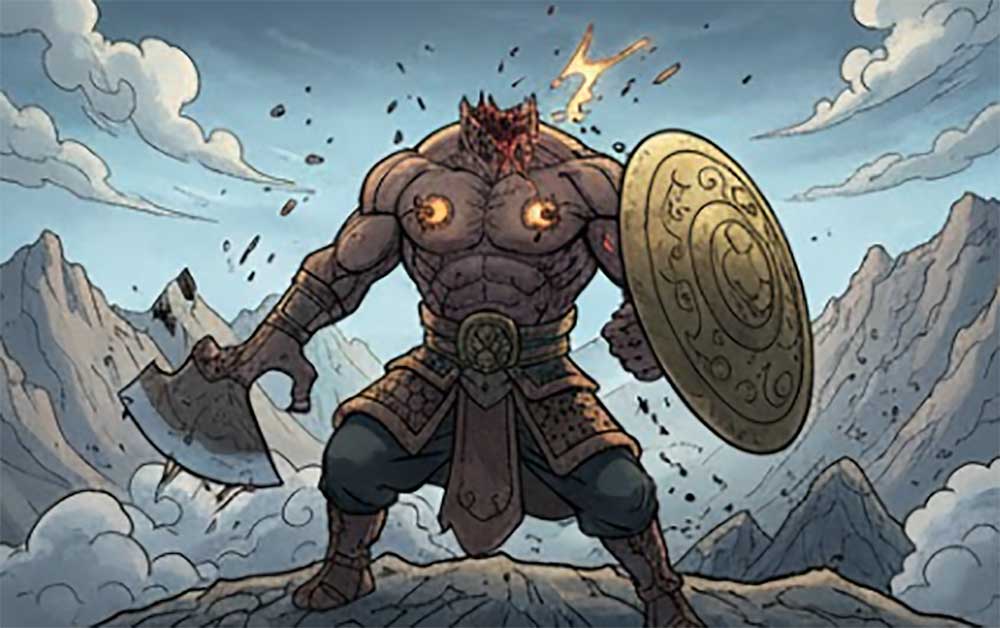
    刑天愤怒极了,不甘心就这样败在黄帝手下,他站起来对着黄帝大喊:“黄帝,我要打败你!虽然我没有了头,但我的双乳可以当眼睛,我的肚脐可以发出惊天动地的喊声!”

    Xing Tian was furious and unwilling to accept defeat at the hands of the Yellow Emperor. He stood up and shouted, “Yellow Emperor, I will defeat you! Even though I no longer have a head, my breasts can serve as eyes, and my navel can emit earth-shattering cries!”


    刑天一手拿着盾牌,一手举起大斧,向着天空乱舞,试图再冲向天庭。

    Xing Tian held a shield in one hand and raised his great axe with the other, wildly swinging it in the air, trying to charge toward the heavenly court again.
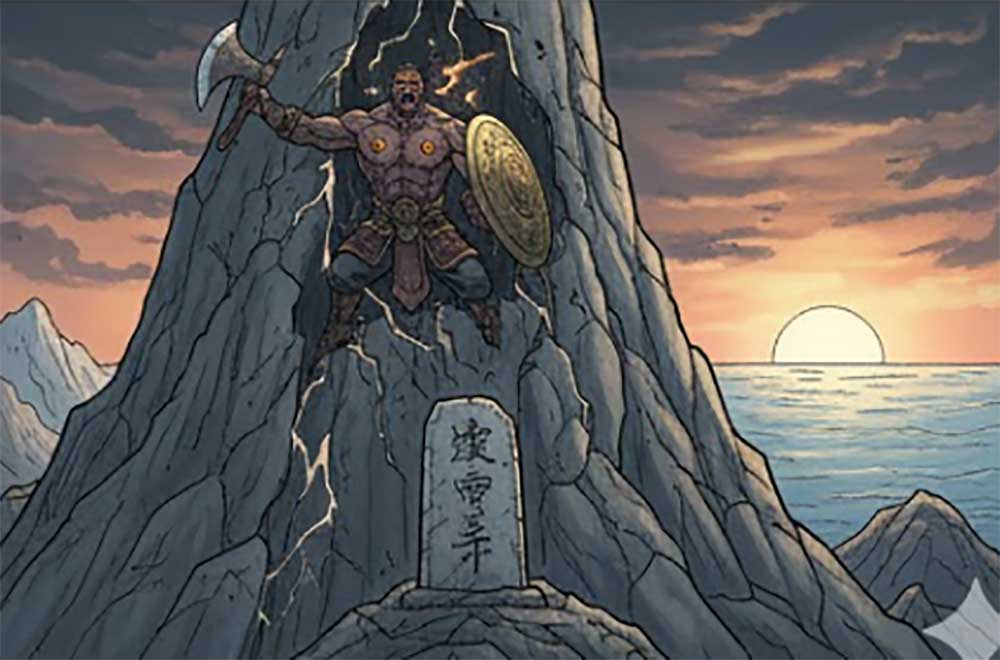

    然而,他的双脚已经和大山融为一体,永不屈服地站在天地之间。

    However, his feet had already fused with the mountain, and he stood there, unyielding, between heaven and earth.
  • Jingwei Filling the Sea 精卫填海

    太阳神炎帝有一个小女儿,名叫女娃,她是炎帝最钟爱的女儿。炎帝不仅掌管太阳,还主管五谷和药材,事务繁忙。

    The Sun God Yan Di had a youngest daughter named Nüwa, whom he loved dearly. Yan Di not only ruled over the sun but also governed crops and medicinal herbs, and his duties kept him constantly busy.


    他每天清晨前往东海,太阳升起时出门,直到太阳西沉才回家。

    Every day at dawn, he went to the Eastern Sea, leaving when the sun rose and returning only after it set.


    炎帝不在家时,女娃便独自玩耍。她常常想让父亲带她去东海,看太阳升起的地方。

    When Yan Di was away, Nüwa played alone. She often wished her father would take her to the Eastern Sea to see where the sun rose.


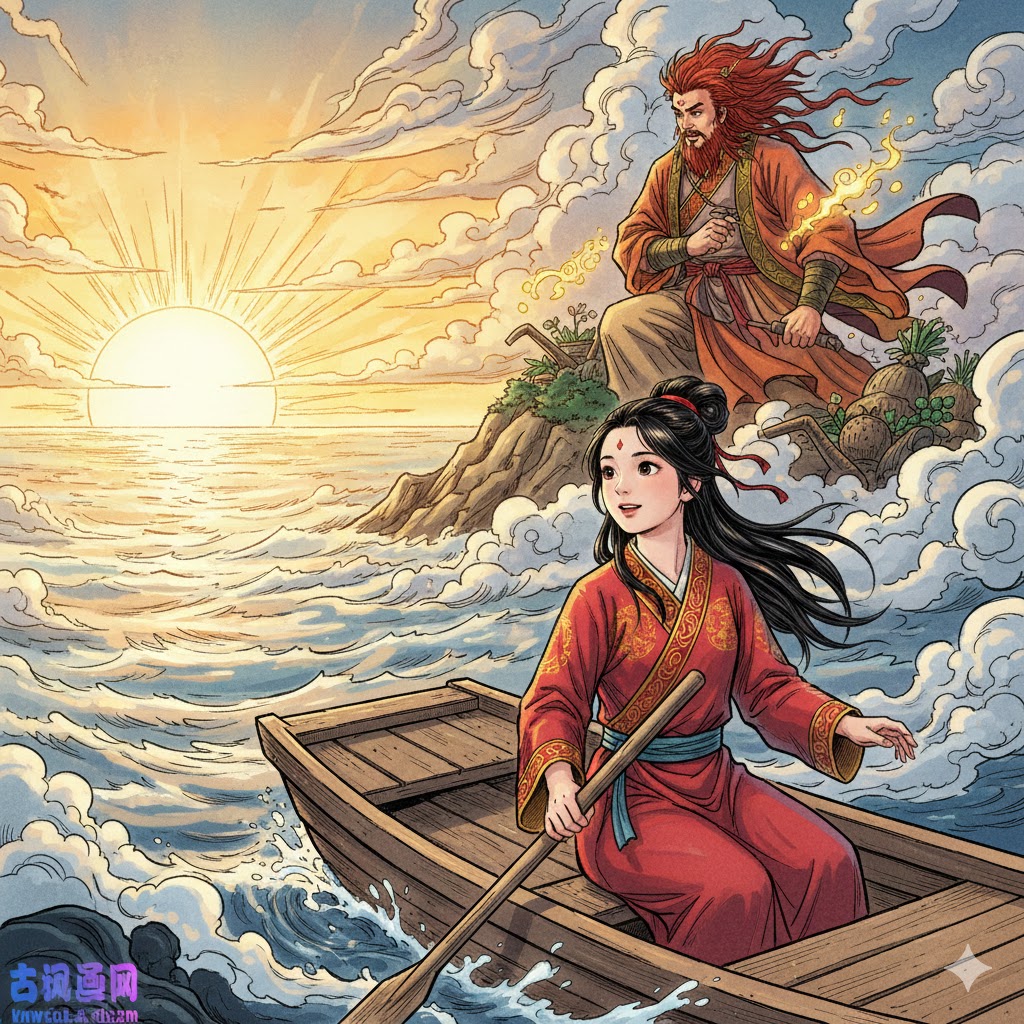
    可父亲忙于公事,总是没有答应她。于是,女娃便独自驾着一只小船,向东海太阳升起的地方划去。

    But her father was always too busy to agree. So one day, Nüwa set out alone in a small boat toward the place in the Eastern Sea where the sun rose.


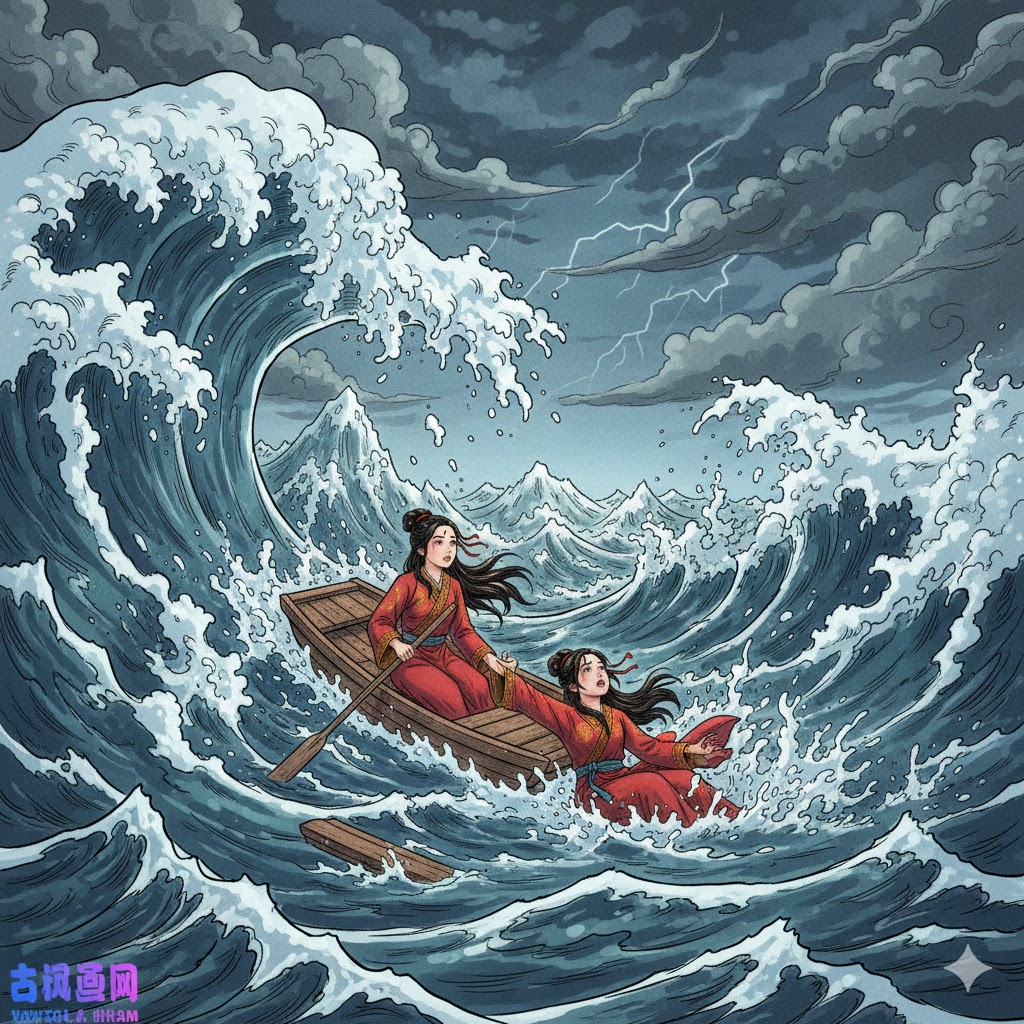
    不幸的是,海上忽然起了风暴,巨浪如山,小船被打翻,女娃被无情的大海吞没,再也没有回来。

    Unfortunately, a violent storm arose at sea. Towering waves like mountains overturned her boat, and the merciless ocean swallowed Nüwa, never to return.


    炎帝痛失爱女,却无法用医药使她复生,只能独自悲伤叹息。

    Yan Di was heartbroken by the loss of his beloved daughter, but even with his mastery of medicine, he could not bring her back to life and could only grieve alone.


    女娃死后,她的精魂化作了一只小鸟,花脑袋,白嘴,红脚爪,常发出“精卫、精卫”的悲鸣。

    After her death, Nüwa’s spirit transformed into a small bird with a patterned head, a white beak, and red claws, crying out mournfully, “Jingwei, Jingwei.”


    因此,人们便称这种鸟为“精卫”。

    Thus, people came to call this bird “Jingwei.”


    精卫痛恨无情的大海夺去了自己年轻的生命,立誓要报仇雪恨。

    Jingwei deeply hated the merciless sea for taking her young life and vowed to take revenge.


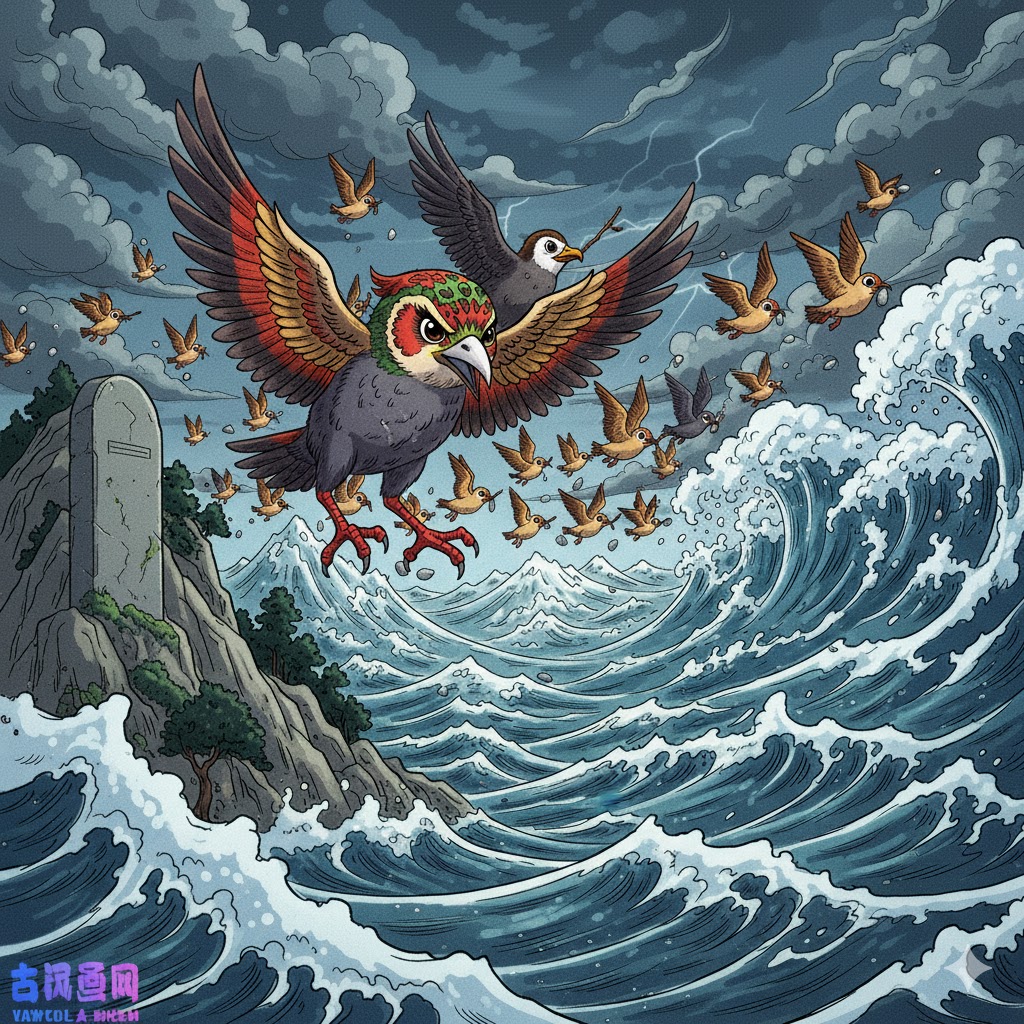
    她不停地从发鸠山衔来小石子或树枝,高飞到东海,把它们投进汹涌的海水中,想把大海填平。

    She endlessly carried small stones or twigs from Mount Fajiu, flew high to the Eastern Sea, and dropped them into the surging waves, determined to fill the sea.


    大海翻涌咆哮,嘲笑她说:“小鸟,你就算干一百万年,也休想把我填平。”

    The sea roared and laughed at her, saying, “Little bird, even if you work for a million years, you will never fill me.”


    精卫在空中回答:“哪怕是一千万年、一万万年,直到世界的尽头,我也一定要把你填平!”

    Jingwei replied from the sky, “Even if it takes ten million years, a hundred million years, until the end of the world, I will fill you up!”


    大海问她:“你为什么这么恨我?”

    The sea asked, “Why do you hate me so much?”


    精卫回答:“因为你夺去了我年轻的生命,将来还会夺去无数无辜的生命。我要永不停息地干下去。”

    Jingwei answered, “Because you took my young life, and you will take many more innocent lives in the future. I will never stop.”


    精卫飞回发鸠山,衔石投海,年复一年,从不间断。

    Jingwei flew back to Mount Fajiu, carrying stones to the sea year after year, never ceasing.


    后来,精卫与海燕结为夫妻,生下许多小鸟。小精卫们也像母亲一样,继续填海。

    Later, Jingwei married a petrel, and they had many chicks. Like their mother, the young Jingwei birds also continued filling the sea.


    直到今天,她们仍在做着这项工作。人们同情并敬佩精卫,称她为“冤禽”“誓鸟”“志鸟”“帝女雀”。

    Even today, they are said to continue this task. People sympathize with and admire Jingwei, calling her “the Wronged Bird,” “the Oath Bird,” “the Bird of Will,” and “the Emperor’s Daughter Bird.”


    人们还在东海边立起石碑,纪念精卫填海的地方。

    People even erected a stone monument by the Eastern Sea to commemorate the place where Jingwei vowed to fill the ocean.

  • Kua Fu Chasing the Sun 夸父逐日

    远古时代,我国北部有一座巍峨雄伟的大山,叫作载天山。山上住着一个巨人氏族,叫夸父族。夸父族的首领叫作夸父,他力大无比,意志坚强,气概非凡。

    In ancient times, in the northern part of China, there stood a towering and magnificent mountain called Zaitian Mountain. A tribe of giants lived on this mountain, known as the Kua Fu clan. Their leader was Kua Fu, a man of immense strength, firm will, and extraordinary spirit.


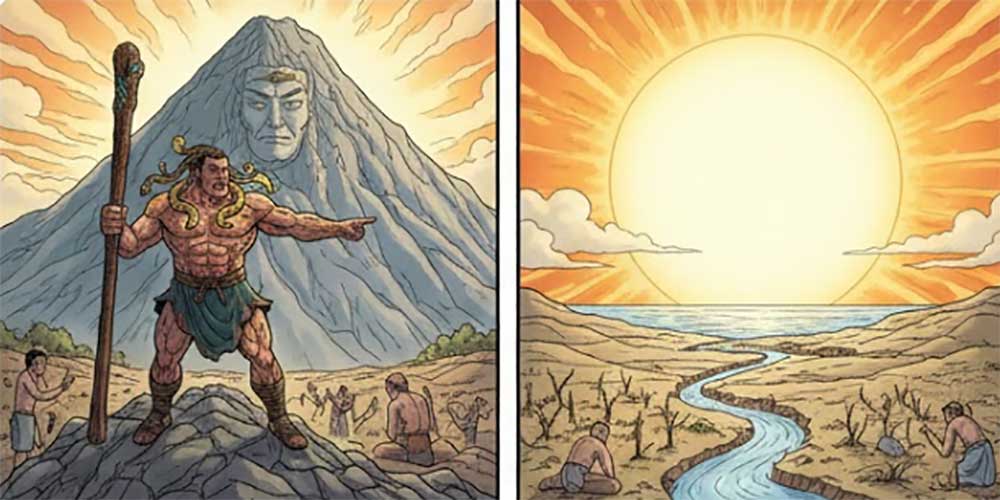
    那时北部地区荒凉落后,毒蛇猛兽横行,人们生活十分凄苦。为了让部落的人活下去,夸父每天都率领族人同猛兽搏斗。

    At that time, the northern land was desolate and undeveloped. Venomous snakes and ferocious beasts roamed freely, and people lived in great hardship. To ensure the survival of his people, Kua Fu led the tribe in daily battles against wild beasts.


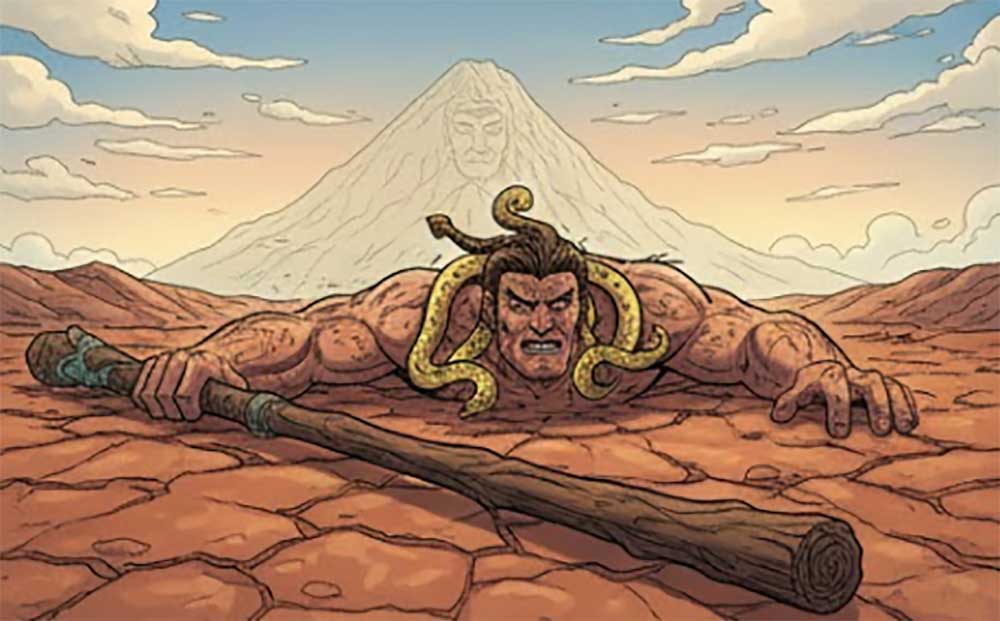
    夸父常常把捉到的凶恶黄蛇挂在自己的两只耳朵上作为装饰,并以此为荣。

    Kua Fu often hung the fierce yellow snakes he captured on his ears as ornaments and took pride in them.


    有一年,天大旱,火一样的太阳烤焦了土地,晒干了河水,庄稼枯萎,人们热得无法生活下去。

    One year, a severe drought struck. The blazing sun scorched the land, dried up rivers, withered crops, and made life unbearable for the people.


    夸父看到这种情景,立下雄心壮志,发誓要捉住太阳,让它听从人们的吩咐,更好地为大家服务。

    Seeing this suffering, Kua Fu made a bold vow to capture the sun and force it to obey humanity, so it could serve the people better.


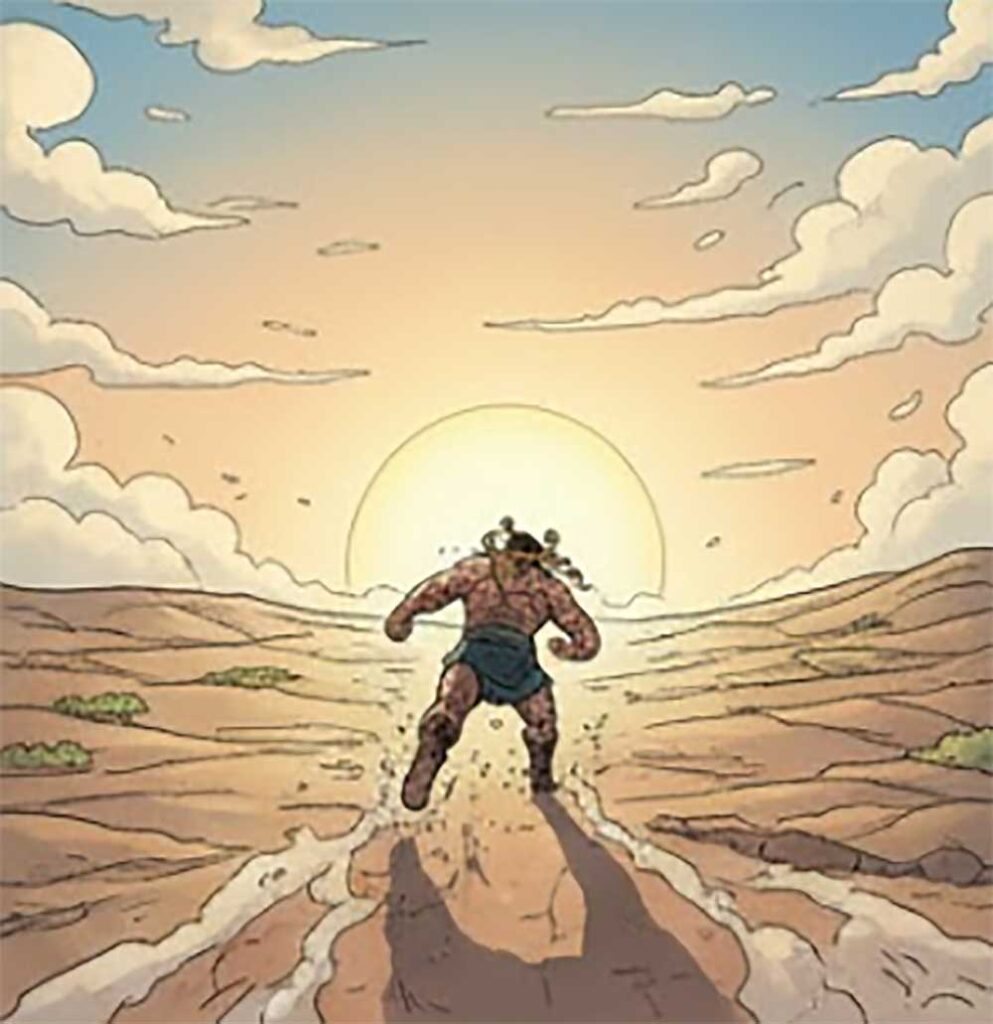
    一天,太阳刚从海上升起,夸父便从东海边迈开大步,开始了逐日的征程。

    One day, just as the sun rose from the sea, Kua Fu set out from the eastern coast, taking great strides as he began his journey to chase the sun.


    太阳在天空中飞快地移动,夸父在地上像风一样追赶。他饿了就摘野果,渴了就喝河水,累了只稍作休息。

    The sun raced across the sky, while Kua Fu chased it across the land like the wind. When hungry, he ate wild fruits; when thirsty, he drank river water; when tired, he rested only briefly.


    他不断鼓励自己,认为只要追上太阳,人们就能过上幸福的生活。九天九夜后,他离太阳越来越近。

    He kept encouraging himself, believing that once he caught the sun, people would live happily. After nine days and nights, he drew closer and closer to it.


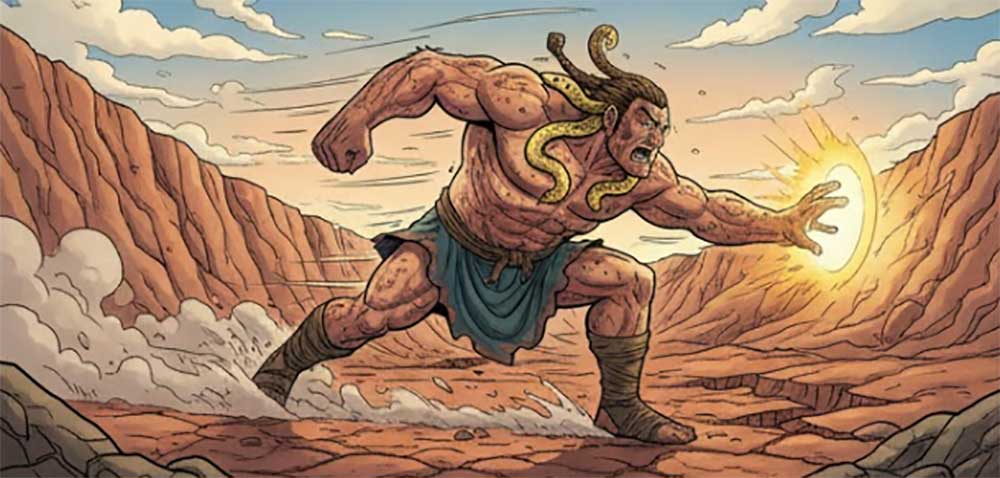
    翻越高山,跨过大河,夸父终于在禺谷追上了太阳。他兴奋极了,伸手想要捉住太阳。

    After crossing countless mountains and rivers, Kua Fu finally caught up with the sun in Yu Valley. Overjoyed, he reached out to seize it.


    然而,由于过度激动和劳累,他头昏眼花,晕倒在地。等他醒来时,太阳已经消失了。

    However, overwhelmed by excitement and exhaustion, he became dizzy and collapsed. When he awoke, the sun had already vanished.


    夸父并不气馁,又继续追赶。可越接近太阳,光热越强,他的身体水分被迅速蒸干。

    Kua Fu did not give up and continued the chase. But the closer he got to the sun, the stronger its heat became, rapidly draining all the moisture from his body.


    他喝干了黄河,又喝干了渭河,仍然无法解渴。最终,在前往北方大泽的途中,他因极度疲惫倒下而死。

    He drank the Yellow River dry, then the Wei River, yet his thirst remained. On his way north to seek a great lake, he collapsed from exhaustion and died.


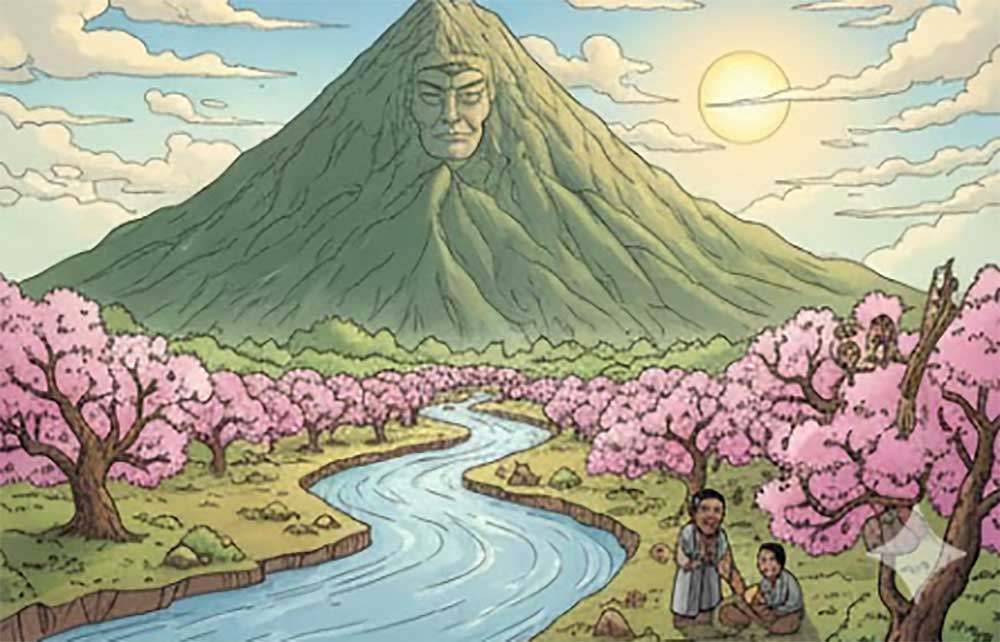
    夸父死后,身体化作了一座大山,名为夸父山。他遗留下的手杖变成了一片桃林,被称为桃林寨。

    After his death, Kua Fu’s body turned into a great mountain called Kua Fu Mountain. The staff he left behind became a vast peach forest, later known as Taolin Fortress.


    虽然夸父没有捉住太阳,但他的执着与勇敢感动了天地。从此风调雨顺,万物兴盛,人们在夸父山下幸福地生活。

    Although Kua Fu never caught the sun, his persistence and courage moved heaven and earth. From then on, the climate became favorable, all things flourished, and people lived happily at the foot of Kua Fu Mountain.